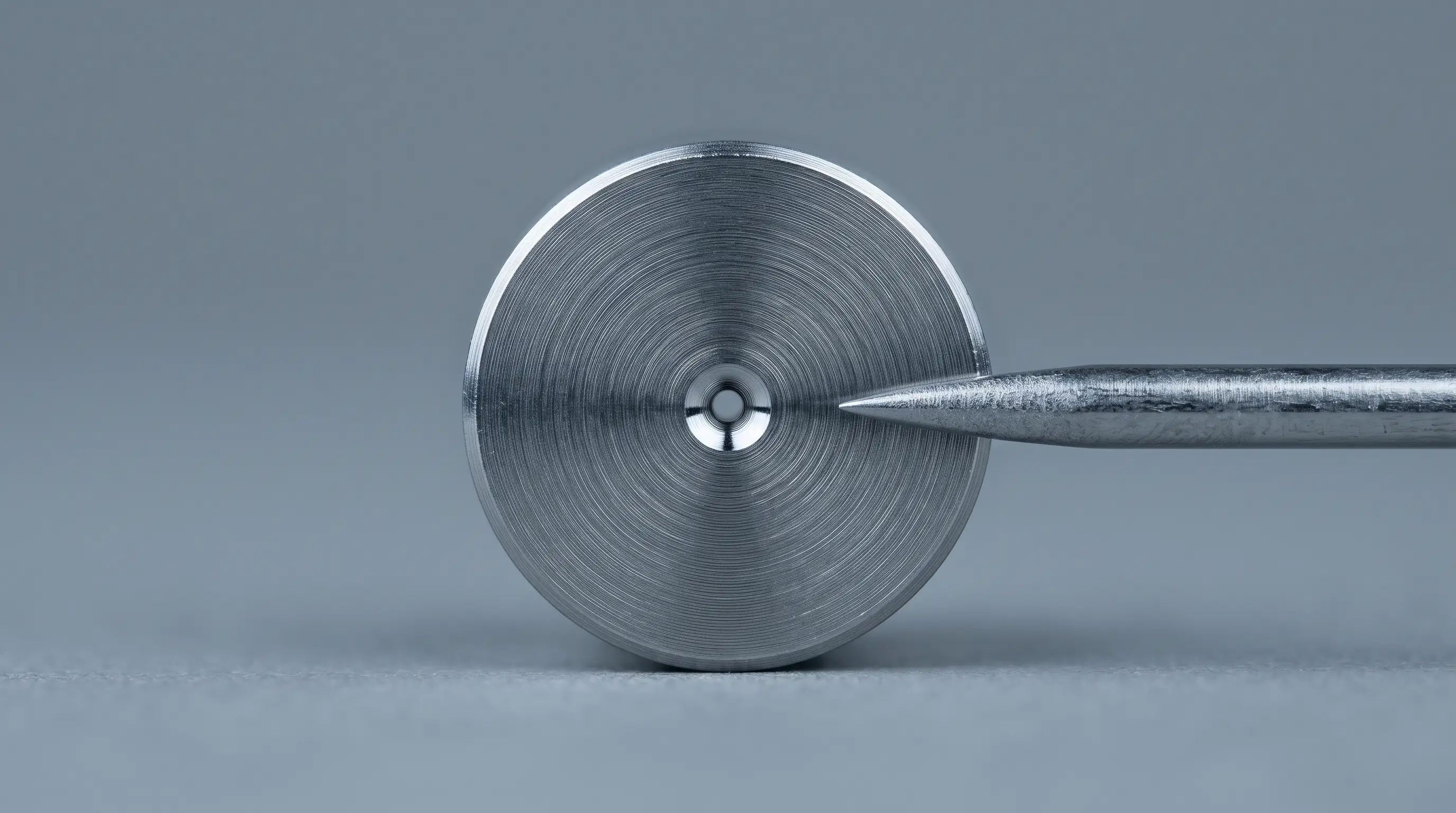
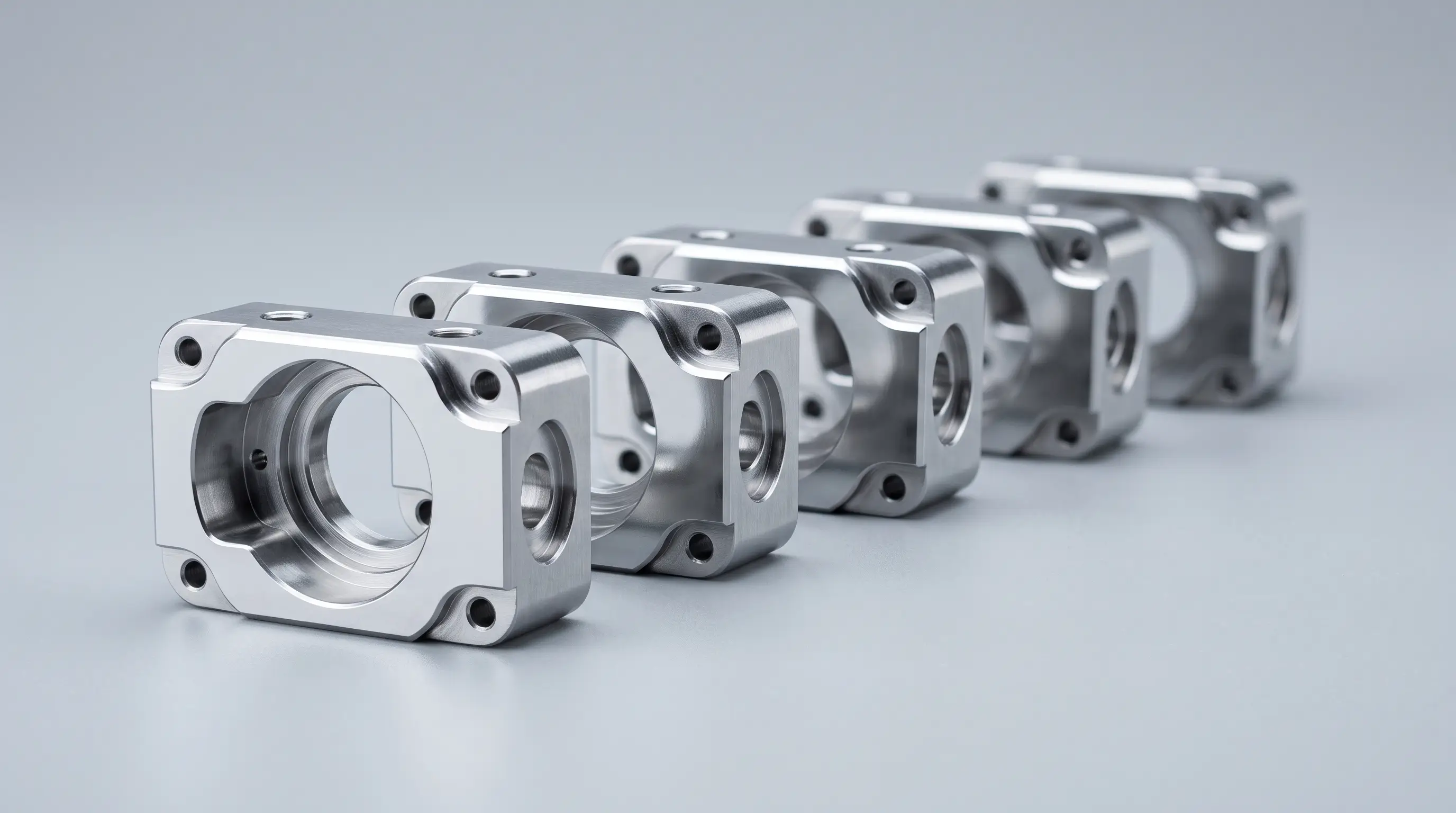
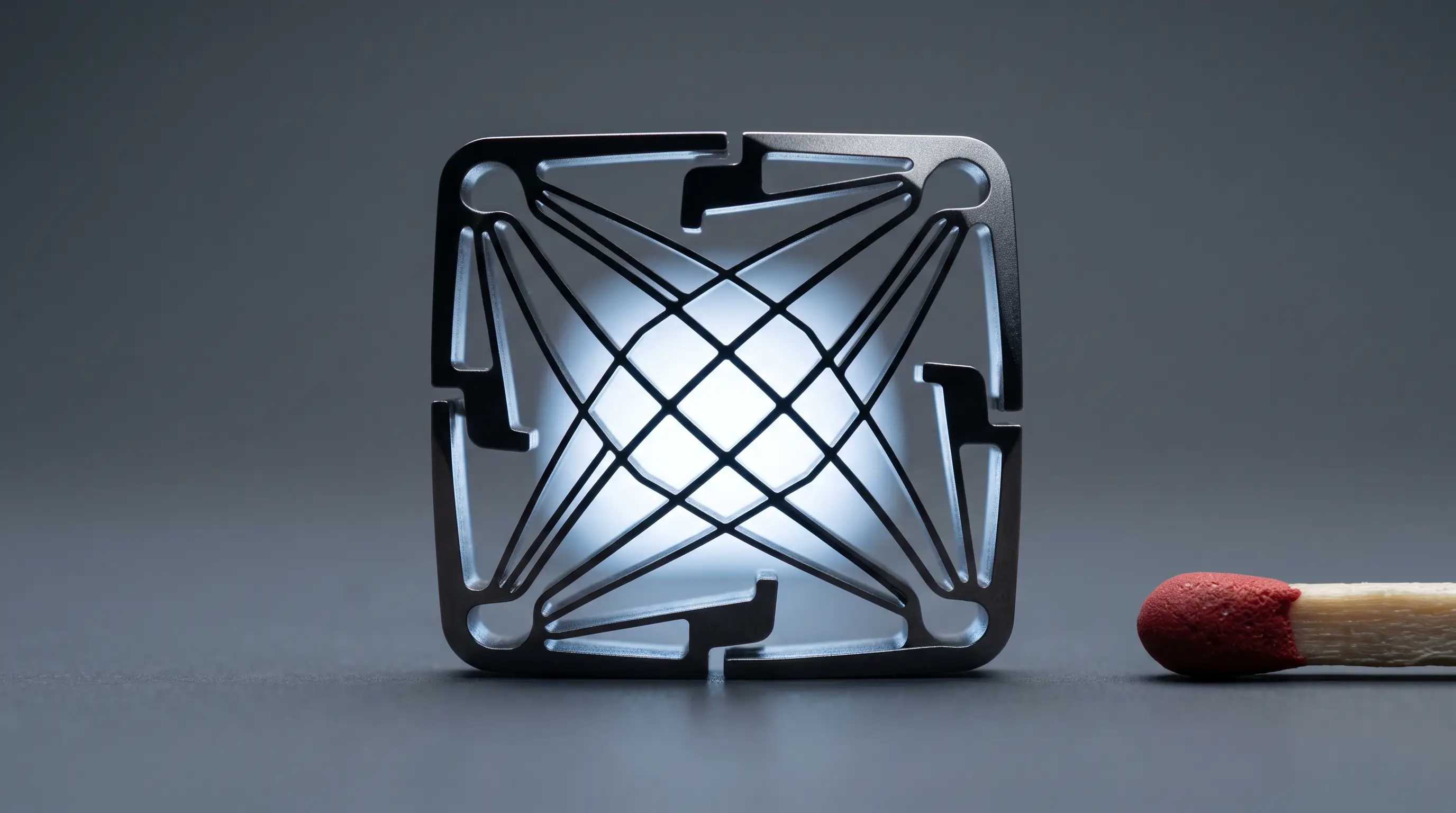
The medical device sector demands extreme precision and clean edge definitions when manufacturing implantable cardiovascular and endovascular components. The production of stents requires cutting complex, repeating mesh geometries out of thin-walled biocompatible tubes. Because conventional mechanical cutters exert localized forces that tear or deform these microscopic web structures, non-contact thermal erosion represents the only viable method for maintaining material integrity.
The manufacturing workflow leveraged specialized micro-wire electrical discharge machining (EDM) operating with fine-diameter wires. The CNC paths were programmed with ultra-low current discharge settings to prevent micro-cracking along the cut boundary. This non-contact thermal erosion method allowed the machine to slice through medical alloys smoothly, achieving complex lattice patterns with minimal radii and burr-free edges.
Post-machining verification was executed on the ZEISS CONTURA CMM system to validate wall thickness profiles and mesh continuity. The non-contact inspection confirmed complete geometric fidelity to the medical schematics without any mechanical distortion. By successfully delivering these high-precision components, the company demonstrated its readiness to support rigorous quality standards within the healthcare and life sciences fields.
From micro-cracks to titanium structures - if it's precise, complex, or unique, it's what we do. Send us your drawing and get a quote.